ADVERTISEMENT
How To Prevent Common Men’s Health Issues As You Age
What if you could keep your body strong, your mind sharp, and your energy high well into your later years? Many men start noticing changes in health after 40—slower recovery, aches that linger, and sometimes conditions they never thought would affect them. The good news? You can take steps now to prevent the most commoners's health problems before they start to interfere with your life.
Heart Health: Keeping Your Engine Running
Heart disease remains one of the most significant health risks for men over 40. But it's rarely a sudden surprise—most heart issues build up over time from lifestyle habits.
One of the simplest preventive moves is to stay active. You don't have to be a marathon runner. A 30-minute brisk walk most days, cycling to work, or swimming a few laps can keep blood vessels flexible and cholesterol in check. Pair this with a diet rich in vegetables, fruits, whole grains, and lean protein, and you're already giving your heart a significant advantage.
Don't forget blood pressure and cholesterol checks. Many men skip these because they "feel fine," but high numbers can stay silent for years. Catching them early means making minor adjustments instead of drastic ones later.
Joint And Bone Strength: Avoiding Mobility Problems
It’s easy to overlook bone and joint health until stiffness or pain sets in. Yet arthritis, back pain, and osteoporosis can start developing in middle age.
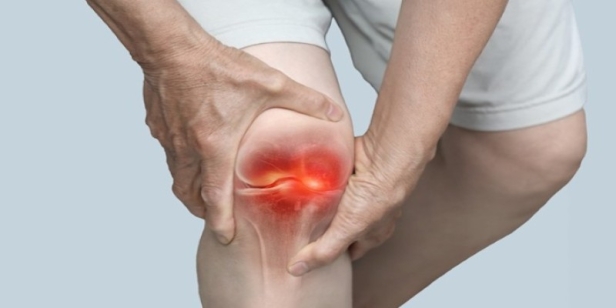
Weight-bearing exercises—like walking, resistance training, or body-weight workouts—help keep bones strong. Strength training twice a week also supports joint stability and reduces injury risk. Calcium and vitamin D are essential, too. Dairy, leafy greens, and sunlight exposure can provide much of what you need, but supplements can help if your diet is lacking.
If you spend long hours sitting for work, make it a habit to stand up and stretch every hour. Small movements add up to healthier joints over the years.
Prostate Health: Staying Ahead Of Changes
Prostate problems are common as men age, ranging from benign enlargement to more serious conditions. While not all issues are preventable, monitoring and healthy habits make a big difference.
Regular screenings, especially after age 50 (or earlier if you have a family history), are key. Simple blood tests and physical exams can catch problems when they’re still easy to manage. You can also support prostate health with a diet that includes tomatoes, berries, and nuts—foods high in antioxidants and healthy fats.
Some men find that reducing red meat and processed foods helps as well. And staying physically active not only supports overall health but may also lower prostate cancer risk.
Mental Health: Keeping Stress And Low Mood In Check
Mental wellbeing is as important as physical health. Men are often less likely to seek help for Stress, anxiety, or depression, which means problems can worsen before they're addressed.
Simple preventive steps can make a big difference. Stay socially connected—meet friends for a walk, join a club, or volunteer. These interactions keep the mind active and lower Stress. Mind-body practices like meditation, deep Breathing, or Yoga can also help regulate mood and improve sleep.
If you notice changes in mood, energy, or motivation that last more than a couple of weeks, talk to your doctor. Early support can prevent more serious mental health challenges.
Metabolism And Weight Management: Fighting The Slowdown
Metabolism tends to slow with age, and many men find it harder to maintain their weight even when eating the same foods as before. Carrying extra weight—especially around the midsection—can increase the risk of diabetes, heart disease, and joint issues.
One practical approach is to focus on muscle maintenance. Muscle tissue burns more calories than fat, so keeping it strong with resistance training helps counter the metabolic slowdown. Combine this with balanced meals that focus on whole foods rather than processed snacks.
Watch portion sizes too. It’s not about strict dieting, but about being mindful of what and how much you eat.
Sexual Health: Supporting Function And Confidence
Erectile dysfunction (ED) becomes more common with age, but it's often linked to the same factors that affect heart health—poor circulation, high blood pressure, and Stress.
Improving blood flow through regular exercise, a heart-healthy diet, and not smoking can help reduce the risk. Managing Stress and getting enough sleep are essential, too. If problems do arise, it's worth discussing with a doctor rather than ignoring them, since ED can sometimes be an early sign of heart disease.
Eye And Hearing Health: Preserving Your Senses
Vision and hearing changes can creep up slowly, but routine checks can catch problems before they affect daily life.

Eye exams every one to two years can spot early signs of glaucoma, cataracts, or macular degeneration. Sunglasses with UV protection and good lighting at home can help preserve vision. For hearing, limit exposure to loud noise and consider ear protection at concerts, when using power tools, or even while mowing the lawn.
If you notice ringing in the ears or difficulty hearing conversations, an audiologist can recommend strategies to protect and improve hearing.
Digestive Health: Keeping Your Gut Happy
As men age, digestive issues like acid reflux, constipation, or changes in bowel habits can become more common. A fibre-rich diet with plenty of fruits, vegetables, and whole grains supports digestion and keeps things moving. Staying hydrated and getting regular exercise are equally crucial for gut health.
Routine screenings, such as colonoscopies starting at age 45 or earlier for high-risk individuals, can catch issues like colorectal cancer early. If you notice unexplained changes in digestion or weight, it’s best to get checked promptly.
Sleep Quality: Restoring Your Energy
Quality sleep affects nearly every aspect of health—heart function, brain performance, mood, and immune strength. Yet many men in their 40s and beyond struggle with sleep.
A consistent sleep schedule, limiting Caffeine late in the day, and creating a quiet, dark bedroom can improve rest. If you snore heavily or feel tired despite getting enough hours, it could be sleep apnea, which is worth investigating.
Prioritising sleep is not a luxury—it's a core part of preventing age-related health problems.
Putting It All Together
Preventing men's health issues as you age isn't about chasing perfection. It's about stacking small, consistent habits that protect your body and mind. Think of it like maintaining a classic car—you wouldn't wait until the engine fails to start caring for it. With regular check-ups, wise lifestyle choices, and awareness of the most common risks, you can stay active, independent, and healthy for many years to come.